
Sakura Kensui Chakoboshi Tea Waste Container
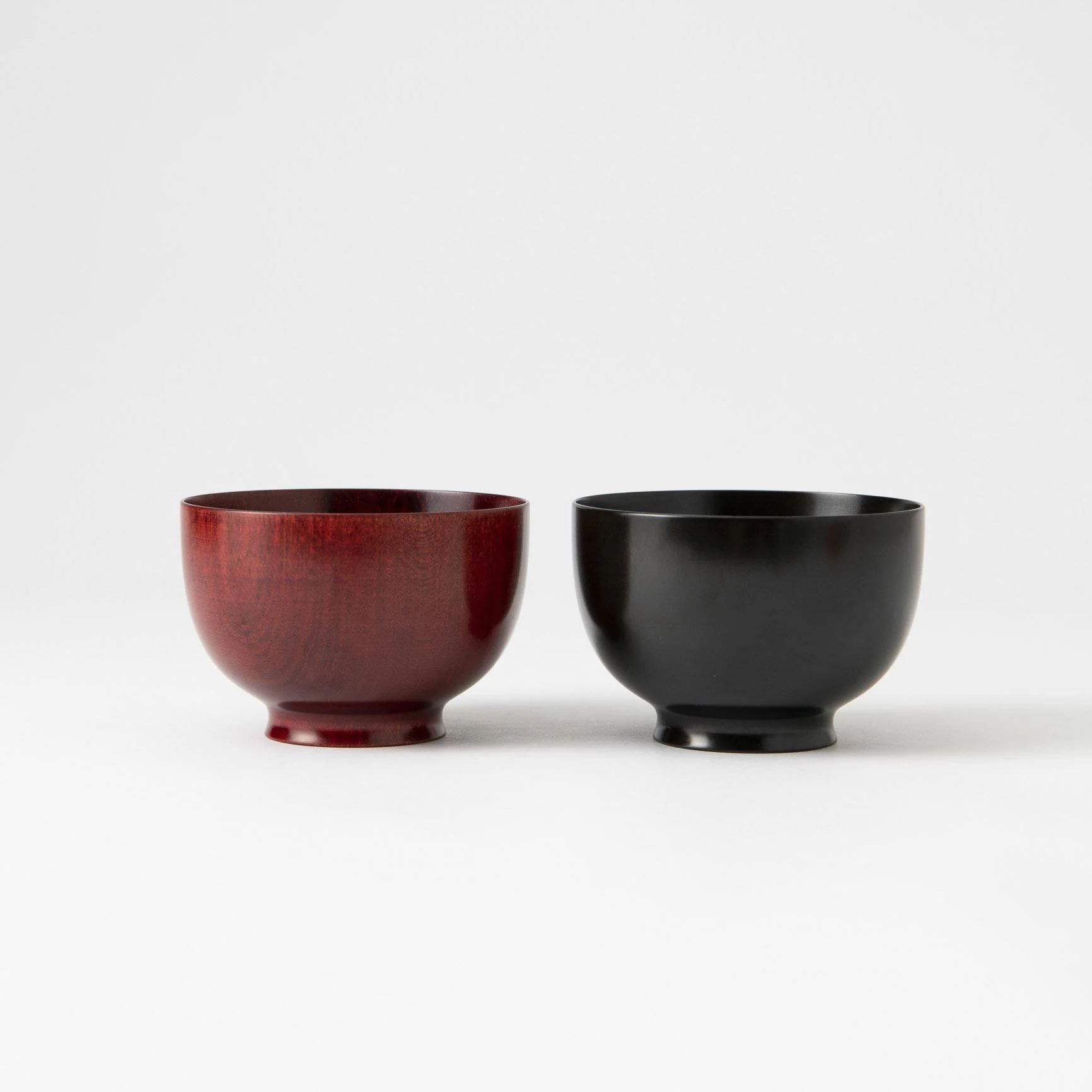
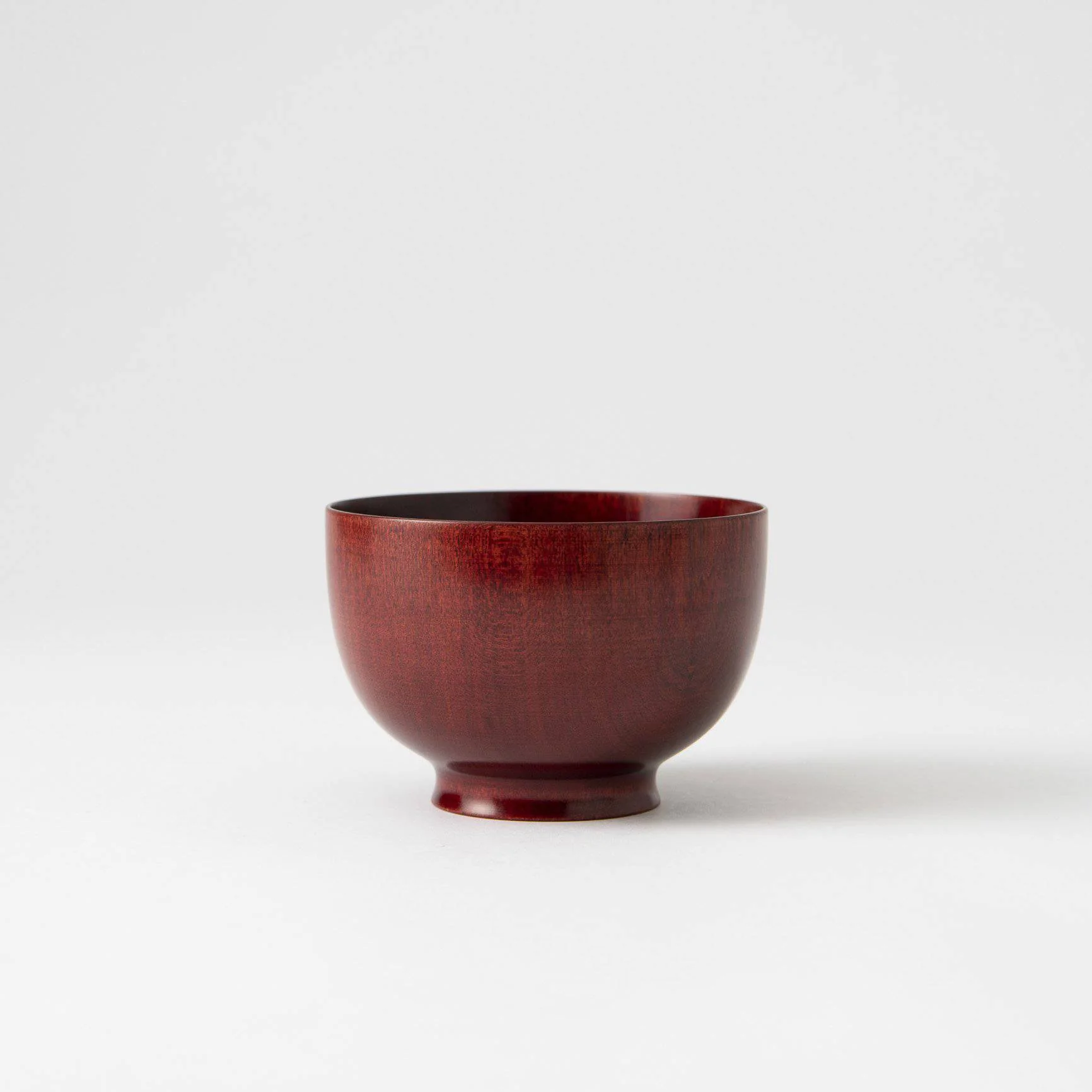
This chakoboshi tea waste container is made by Yatsuyanagi, a cherry bark work manufacturer based in Akita Prefecture. The cherry trees used for Akita cherry bark work are mainly wild cherry trees from the Tohoku region, known for their durability and natural beauty, cultivated in a harsh climate.
The chakoboshi is traditionally used in sencha tea practices. It serves several purposes during the brewing process:
1. To discard the hot water used to warm the teapot or teacups.
2. To pour out any remaining water in the teapot before a second brewing.
3. To dispose of used tea leaves so that fresh leaves can be added.
For the third use, the lid with the hole is removed, and the tea leaves are placed directly inside.
In Japanese tea culture, even the quiet time spent preparing tea—placing leaves into the teapot, pouring hot water, and waiting—is considered part of the shared experience with loved ones. The tea is prepared and served by the host as an expression of heartfelt hospitality.
Having a chakoboshi close at hand allows the host to serve multiple guests smoothly without leaving the room to dispose of water or tea leaves. It’s a small but meaningful tool that deepens one’s appreciation for the thoughtful rituals of tea.
Original: $494.00
-70%$494.00
$148.20Product Information
Product Information
Shipping & Returns
Shipping & Returns
Description
This chakoboshi tea waste container is made by Yatsuyanagi, a cherry bark work manufacturer based in Akita Prefecture. The cherry trees used for Akita cherry bark work are mainly wild cherry trees from the Tohoku region, known for their durability and natural beauty, cultivated in a harsh climate.
The chakoboshi is traditionally used in sencha tea practices. It serves several purposes during the brewing process:
1. To discard the hot water used to warm the teapot or teacups.
2. To pour out any remaining water in the teapot before a second brewing.
3. To dispose of used tea leaves so that fresh leaves can be added.
For the third use, the lid with the hole is removed, and the tea leaves are placed directly inside.
In Japanese tea culture, even the quiet time spent preparing tea—placing leaves into the teapot, pouring hot water, and waiting—is considered part of the shared experience with loved ones. The tea is prepared and served by the host as an expression of heartfelt hospitality.
Having a chakoboshi close at hand allows the host to serve multiple guests smoothly without leaving the room to dispose of water or tea leaves. It’s a small but meaningful tool that deepens one’s appreciation for the thoughtful rituals of tea.